
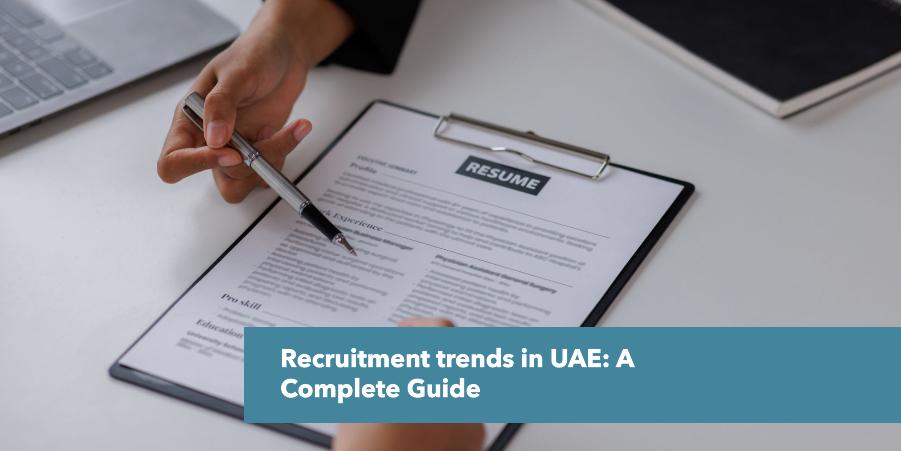
Recruitment trends in UAE: A Complete Guide
Recruitment in the UAE is undergoing significant changes as we move into 2025. Here are the key trends shaping the job market:
Ethical AI Integration
Artificial intelligence (AI) is becoming a central part of recruitment processes. By 2025, it’s expected that 87% of HR teams in the UAE will use AI tools for tasks like CV parsing and candidate screening. This shift aims to reduce biases and promote inclusivity in hiring practices, making processes more transparent and efficient.
Personalization in Recruitment
Candidates are increasingly looking for tailored experiences during the recruitment process. A significant 74% of job seekers in the UAE prefer employers who offer personalized recruitment experiences, such as AI-driven job recommendations and customized onboarding. This trend highlights the importance of understanding individual candidate needs.
Virtual Reality (VR) Usage
While still emerging, VR technology is starting to play a role in recruitment. By 2025, over 30% of large organizations in the UAE are expected to utilize VR for activities like virtual job fairs and immersive interviews, particularly in sectors like real estate and construction1.
Focus on Diversity, Equity, and Inclusion (DEI)
Diversity, equity, and inclusion initiatives are becoming essential components of recruitment strategies. Companies are working to create unbiased job descriptions and are sourcing talent from diverse channels. This approach not only reflects societal changes but also enhances creativity and innovation within teams.
Automation for Cost-Efficiency
Automation is streamlining various aspects of recruitment, leading to a projected 20% reduction in average time-to-hire by 2025. This efficiency is expected to result in a 15% decrease in overall recruitment costs, allowing organizations to allocate resources more effectively.
Candidate-Driven Market
The UAE’s job market is shifting towards being candidate-driven. Job seekers are prioritizing work-life balance, flexible working arrangements, and mental health support over salary alone. In fact, 68% of candidates now consider work-life balance their top priority when looking for employment.
Blue-Collar Job Growth
There is a notable increase in blue-collar job opportunities, with a 69% rise reported recently. This growth is largely attributed to ongoing construction projects and increased logistics activities within the region. As companies adapt to these trends, there will be a greater emphasis on skills development for workers.
What are the key benefits of personalized recruitment for candidates?
Personalized recruitment offers several key benefits for candidates, enhancing their overall experience and satisfaction during the hiring process.
Enhanced Candidate Satisfaction
When you engage in a personalized recruitment process, you are likely to feel valued and understood. This approach leads to increased satisfaction as it recognizes your unique skills and experiences, making the entire hiring journey more enjoyable and positive.
Improved Response Rates
Personalized outreach is proven to yield higher response rates compared to generic communications. When recruiters tailor their messages to address your specific interests and qualifications, you are more inclined to engage with them, which is critical in a competitive job market.
Increased Engagement
Personalization significantly boosts your engagement with the recruitment process. By receiving tailored communications that resonate with your preferences, you are more likely to remain interested and invested in the opportunity being presented. This heightened engagement can lead to a stronger connection with potential employers.
Better Employer Branding
Experiencing personalized interactions with a company can positively influence how you perceive its brand. When candidates share their positive experiences, it enhances the company’s reputation, making it more attractive to top talent like yourself. A strong employer brand can make you more excited about the prospect of joining that organization.
Efficiency and Reduced Bias
A personalized approach often involves using technology and data-driven insights, which can help reduce bias in hiring decisions. By focusing on your skills and aspirations rather than just demographics, recruiters can match you more accurately to roles where you are likely to excel. This not only speeds up the hiring process but also ensures that you find a position that aligns well with your career goals.
In summary, personalized recruitment creates a more respectful and engaging experience for candidates. It helps you feel recognized as an individual rather than just another applicant, leading to higher satisfaction and better long-term relationships with potential employers.